

Almost every woman has wondered at some point: Is my scent normal? Do I taste okay? Does it look right? Is something wrong with me down there? And almost none of us were ever given the information to answer those questions, so we carry the worry silently, and it follows us right into the bedroom, where it quietly steals our confidence and our pleasure.
And for the partners reading, especially the men: what you understand about her body, and how you respond to it, can be the difference between her feeling free or self-conscious and closed down in bed. This one’s for all of you.
Today we’re fixing that. This is the full owner’s manual nobody handed you: vaginal odor, taste, pH, discharge, the microbiome, what’s actually normal, what’s not, why it changes, and how to bring it back into balance. My guest is Wendy Strgar, a vaginal microbiome health expert and founder of Good Clean Love, who’s spent 25+ years helping women reconnect with their bodies without shame.
Watch the full conversation below, then read the complete guide underneath.
What You Should Know About Her Vaginal Health
Table of Contents
Vulva vs. Vagina: What’s What
Let’s start with the basics, because the words get used interchangeably and they shouldn’t be. The vagina is what’s inside — from the point of penetration inward, where you’d put a tampon or a gel. The vulva is the external tissue you can see and touch: the labia and the clitoral area.
Here’s what most people don’t realize: the tissue is very similar in both. It’s mucous membrane, the same type of membrane found in your mouth, sinuses, and gut. That connection matters, because it means everything you’ve learned about your gut microbiome applies to your vagina too.
What Is the Vaginal Microbiome?
The vaginal microbiome is a community of bacteria — and unlike the gut, where a complex, diverse community is healthy, the vagina thrives on simplicity. You want a specific set of native bacteria dominating, and fewer competing strains.
The single most important lever is pH. A healthy vaginal pH is low and acidic — that acidity is what lets good bacteria thrive and keeps toxic bacteria from taking over. The problem is that so much of modern life pushes pH up: many soaps and lubricants sit around pH 7, semen is alkaline, period blood raises pH, and even a wet swimsuit or tight synthetic leggings can nudge it up. When pH rises, healthy bacteria die off and unhealthy bacteria multiply — and that overgrowth is the actual source of odor and off taste.
As Wendy puts it: use a pH-7 product, and you’re throwing a bacteria party in your vagina. Keep pH low, and you get that naturally sweet, musky scent that smells like you.

What Does a Healthy Vagina Actually Smell Like?
So many women have never had a reference point — some have avoided even smelling or tasting their own secretions. Here’s the truth: everyone has a normal, musky, slightly sexy scent that’s unique to them, because everyone hosts a slightly different mix of bacteria. When you’re in balance, your own scent and taste should read as a turn-on, not something to hide.
What’s not normal: a sour smell, an “off” smell, or a strong bad-egg odor — often paired with a change in discharge. That’s your body signaling an imbalance, not a character flaw.
And balance is dynamic. Travel, stress, using lots of public restrooms, unprotected sex, your period, perimenopause, postpartum, menopause, and cancer treatment can all shift your scent and your bacteria. It’s not something you “fix once”; it’s an ongoing reflection of your overall health: sleep, food, hygiene, and hormones all show up here.
BV vs. Yeast Infection: What’s the Difference?
This is where so many women get misdiagnosed. The two are almost opposites in cause:
- Bacterial vaginosis (BV) comes from an overgrowth of bad bacteria, associated with high pH. Discharge tends to be grayish, yellowish, or greenish, usually with a noticeable smell.
- Yeast infections are fungal, and the classic signs are a red, itchy vulva with a thick white discharge.
Two things almost nobody is told: First, antibiotics you take for anything — ear, sinus, tonsil infections — kill good bacteria throughout your whole body, including the vagina, which is why a lifetime of antibiotics can make it so hard to keep the right bacteria established. Second, treating BV with antibiotics can trigger a yeast infection, because the bad bacteria had actually been suppressing the yeast.
And the diagnosis gap is real: many doctors don’t test for gut-origin bacteria like E. coli, strep, or enterococcus that increasingly show up in vaginal infections, so women get handed the same antibiotic on repeat for an infection it was never going to fix. (Wendy’s company now offers a PCR test through Good Clean Clinical Care that identifies exactly which bacteria or yeast is present, so treatment can actually match the problem.)
Listen to the full episode
Healthy vs. Unhealthy Discharge
Your discharge changes across your cycle, a little thicker after your period ends, changing around ovulation — and that’s normal. The baseline to watch for: healthy discharge is clearer than colored and doesn’t have an offensive smell. Yellow, gray, green, or thick white discharge, especially with an odor, is a sign something’s out of balance.
The best thing any woman can do is pay attention for one full month to learn her own baseline, because you can only recognize “off” once you know what “normal” is for you.
Why Partners Need to Understand This Too
If a woman is constantly worried about her scent or taste, it changes how she shows up in bed; she won’t want to receive oral, or she’s distracted mid-sex wondering if something smells wrong. If sex is regularly followed by itching, pain, or a scent change, it stops being something she wants at all.
And partners aren’t off the hook: men can carry infections and even STDs without symptoms — ureaplasma hides in the folds of the urethra, and BV-associated bacteria can hide in the foreskin, then pass them on. Unprotected sex introduces alkaline semen that raises pH. The takeaway from both Annette and Wendy: hygiene matters, and a partner shares responsibility for her vaginal health. The sexiest sex is clean sex.
The Clitoral Organ System: Why It’s Built for Extended Pleasure
Early in the interview Wendy lit up about the clitoris — and for good reason. The clitoris isn’t just the external glans you can see; it’s a full organ system with legs that extend into the walls of the vagina and meet at the back in what’s felt as the G-spot. It has around 10,000 nerve endings — far more than the penis — and it’s the anatomical corollary to the male penile system (they share the same origin in early fetal development).
Crucially, it’s built for extended pleasure. That’s part of why arousal isn’t instant the way it often is for men — and why, with understanding, many women become more orgasmic with age, not less. When you orgasm externally, blood rushes into those internal legs, relaxing the vaginal opening and connecting to that deeper G-spot sensation.
There’s also a nervous-system payoff: arousal and orgasm — even solo, even short of climax — calm and reset your nervous system. And when your microbiome is out of balance, it actually dampens the signals of arousal, which is one more reason balance and pleasure are linked.
A Healthy Vaginal Care Regimen (The Cheat Sheet)
Wendy’s core principle: treat your vaginal health like a skincare routine with ongoing maintenance, not emergency-only. “Your vagina is your other face.” The goal of every step is to keep pH low so healthy bacteria can thrive.
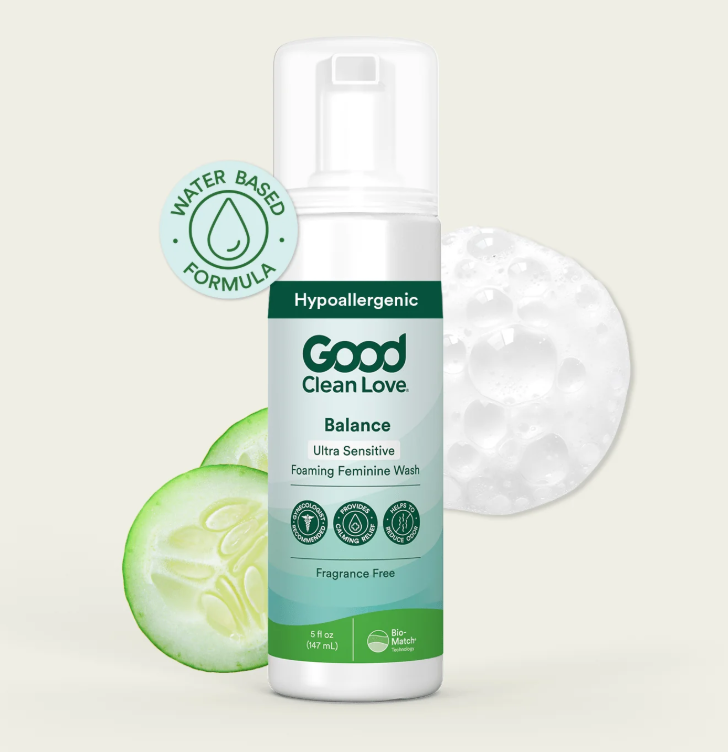
Step 1. Use a gentle wash like the Good Clean Love Ultra Sensitive Foaming Feminine Wash
with zero fragrance or harsh saponifiers, for the external vulva
15% off with code ANNETTE
Click here to buy.
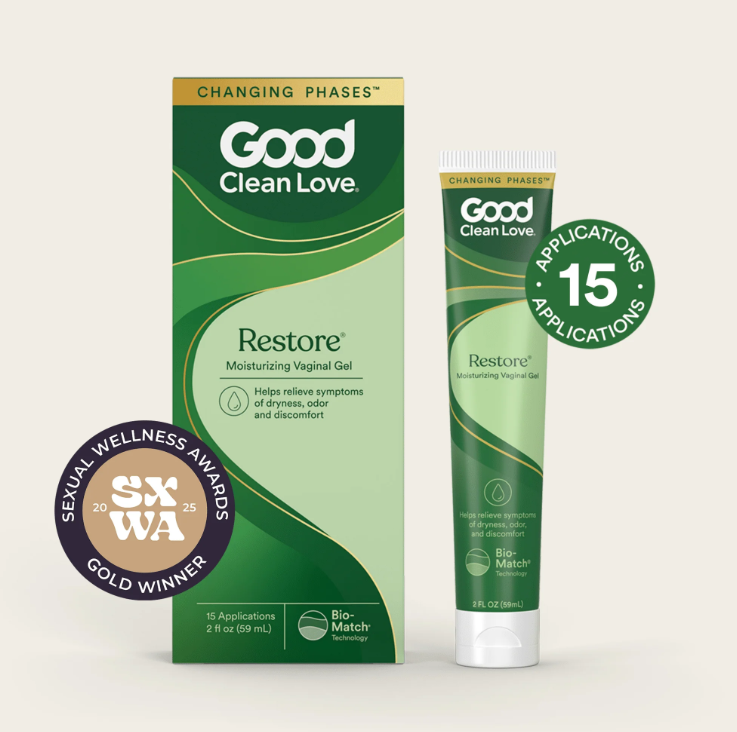
Step 2. Use Good Clean Love Restore® Moisturizing Vaginal Gel Products
to hydrate and bring internal pH down into the healthy 3.7-4 range.
15% off with code ANNETTE
Click here to buy.
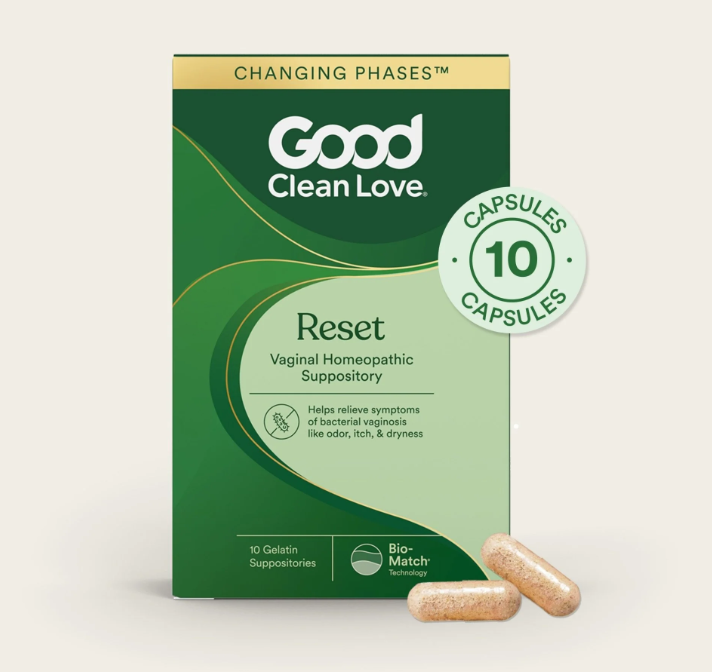
Step 3. Use Reset Homeopathic Vaginal Suppository
to reintroduce good bacteria directly, rather than routing through the gut.
15% off with code ANNETTE
Click here to buy.
One critical warning: not all products are equal. Look for isosmotic products (balanced to your body’s own fluids). Products containing propylene glycol, polyethylene glycol, or any glycol are far heavier than your natural secretions — they pull water out of your cells, shed the top layer of vaginal tissue, and leave you more prone to infection. Many popular lubricants and even some prescribed medications are made in bases that disrupt the microbiome. And douching is simply bad — skip it entirely.
3 Things You Can Start Doing Tonight
Wendy’s closing takeaways for women and partners alike:
- Explore your anatomy. Do your own research — hands-on and online. Pleasure is something you learn and give yourself, not something you wait for a partner to deliver.
- Let go of shame. Treat imbalance as information, not failure, and build a go-to protocol you can return to whenever you need to rebalance. Balance makes you more open to arousal in every way.
- Mind how you think about yourself as an erotic person. Give yourself permission to be curious, explore fantasy, and even learn from the bad days.
The Bottom Line
Getting to know your own body first — anatomy, scent, taste, and all — is the foundation for everything else. When you understand your vaginal health and build a simple routine to maintain balance, the worry falls away and sex gets to be free, connected, and as wild as you want it. And partners: understanding her body is part of your job too.
For my ongoing pleasure practice, check out my 365 Days of Pleasure journey — find it at talksexwithannette.com and on my Instagram @AnnetteBenedetti. You can find Wendy Strgar at Good Clean Love and Good Clean Clinical Care.
Have a question? Email me at annette@talksexwithannette.com. Until next time, I’ll see you in the locker room. Cheers.
Frequently Asked Questions
What does a healthy vagina smell like? A healthy vagina has a natural, musky, slightly sweet scent that’s unique to each person. When your microbiome is in balance and pH is low, your own scent and taste should read as pleasant. A sour, off, or bad-egg smell — usually with a change in discharge — signals an imbalance, not a flaw.
What causes vaginal odor? Odor comes from the type of bacteria you’re hosting, which is driven largely by pH. When pH rises — from alkaline soaps or lubricants, semen, your period, stress, travel, or tight synthetic clothing — bad bacteria multiply and create odor. Keeping pH low and acidic restores the good bacteria and the natural scent.
What’s the difference between BV and a yeast infection? Bacterial vaginosis (BV) is an overgrowth of bad bacteria linked to high pH, with grayish, yellow, or greenish discharge and an odor. A yeast infection is fungal, with a red, itchy vulva and thick white discharge. They have nearly opposite causes, which is why they’re often misdiagnosed.
What is a normal vaginal pH? A healthy vaginal pH is low and acidic, roughly 3.7 to 4. That acidity lets protective bacteria thrive and keeps harmful bacteria and odor in check. Many everyday products sit around pH 7, which pushes your pH up and disrupts balance.
Is vaginal discharge normal? Yes. Discharge changes across your cycle and is healthy when it’s more clear than colored and has no offensive smell. Yellow, gray, green, or thick white discharge — especially with odor — suggests an imbalance worth addressing.
Can my partner affect my vaginal health? Yes. Unprotected sex introduces alkaline semen that raises pH, and partners can carry symptomless infections (like ureaplasma or BV-associated bacteria) that get passed on. Hygiene and shared responsibility matter for keeping her healthy.
Are lubricants bad for vaginal health? Some are. Products with propylene glycol, polyethylene glycol, or any glycol are much heavier than your natural fluids and can pull water from your cells, damaging tissue and raising infection risk. Look for isosmotic, glycol-free, fragrance-free products instead.