

By Annette Benedetti, sex educator, intimacy coach, and host of the Talk Sex with Annette podcast
If you want to know how to make her squirt, forget almost everything the internet taught you. Most of it is wrong, or dangerous, or both.
You watched a video. Some guy jackhammered his fingers into a woman who may or may not have been performing, and you walked away thinking squirting is about speed and force and making her body do something impressive. It’s not.
Squirting, when it happens with pleasure and trust, is one of the most powerful releases a woman’s body is capable of. It’s also one of the most misunderstood. Most partners chase it like a performance metric. Most women have either never experienced it, or it happened once and they were so confused or embarrassed they shut it down before they could enjoy it. This guide changes that.
Five moves. The real anatomy, the real technique, and the one moment (one specific thing she’s going to say to you) that determines whether this happens or not. Most partners hear it and do exactly the wrong thing. Let’s fix that.
Watch the episode.
Listen to the full guide. You can also listen on Apple and Spotify podcast.
Table of Contents
What Is Squirting? What Female Ejaculation Actually Is
Squirting means she came, right? Wrong. And that misunderstanding is why most technique works against you.
Squirting, sometimes called female ejaculation (though they’re technically slightly different responses), is the release of fluid during sexual arousal. The fluid comes largely from the Skene’s glands, small glands around the urethra that are often called the female prostate. Volume varies, a few drops, a gush, a flood, and all of it is normal.
Here’s the part that changes your approach: this release can happen during orgasm, and when it does, it’s often earth-shattering. But it can also happen without orgasm, just from pressure. And it can happen involuntarily in a way that isn’t even pleasurable. Squirting does not equal orgasm.
If you’re chasing this as proof you did your job, you’re measuring the wrong thing. The goal isn’t fluid. The goal is creating conditions where her body feels safe enough and aroused enough to release something it’s been holding back for years.
Not every woman will experience this. Research estimates vary widely, roughly 10 to 50 percent of women. Some bodies are wired for it, some aren’t. Neither says anything about her, and neither says anything about you.
Is Squirting Pee? Here’s What the Research Actually Shows
I get this question constantly, so let’s settle it.
During arousal, the bladder fills with fluid fast, much faster than normal urine production, and the Skene’s glands add their own secretions to the mix. So is there some urine in it? Often, yes. But “has some urine in it” and “is pee” are not the same sentence.
Real urine sits in your bladder for hours, collecting waste, which is what gives it color and smell. The fluid released during squirting does the opposite: the bladder fills in minutes and empties in seconds, so it comes out clear and diluted, nothing like what you’d get from a held bladder. On top of that, it carries glandular fluid from the Skene’s glands that isn’t found in regular urine. Same exit, completely different event.
So no, “it’s just pee” isn’t accurate.
And here’s what I actually want to know: why is this the obsession? Intimacy involves all kinds of fluids from everyone in the room, and nobody demands a lab report on those. The second a vulva owner has an intense physical response, suddenly we need peer-reviewed studies to decide whether it’s acceptable. That tells you everything about whose pleasure we’ve been taught to question. The fluid is real, the experience is real, and the only correct response is to welcome it, not interrogate it.
Before You Try to Make Her Squirt: Can She Let Go With You?
Here’s the thing nobody wants to say out loud. The biggest barrier to squirting isn’t your technique, and it isn’t her anatomy. It’s her ability to surrender control over what her body is about to do while someone is watching.
That’s different from being turned on. A woman can be soaking wet and still unable to let this happen, because letting go means allowing her body to do something unpredictable, messy, and deeply vulnerable in front of another person. That takes a kind of trust most sexual encounters never build.
If she struggles to orgasm with you at all, this is not where you start. Start by taking every goal off the table except learning her body. Tell her: “I’m not trying to make anything happen tonight. I just want to learn what feels good to you.” That sentence alone resets her nervous system. She’s not performing on a timeline anymore, so she can actually be in her body.
Then bring in something that bypasses the mental loop she’s been stuck in. A clitoral suction toy delivers consistent stimulation so she stops worrying about whether your pressure is right or whether she’s taking too long. For many women, your hands plus a toy that removes the guesswork is what gets them to their first partnered orgasm. Once her body has that map, everything in this guide becomes available.
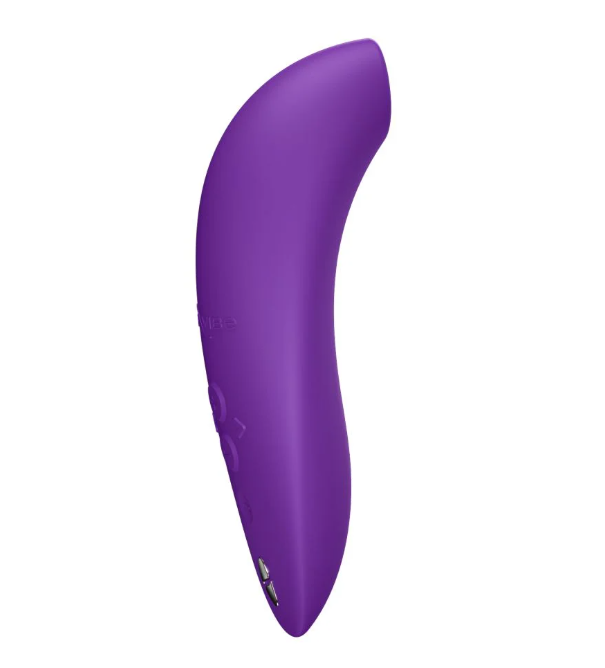
We-Vibe Melt 2
App-controlled clitoral suction that takes the guesswork out!
Code ANNETTE15 for 15% Off
Click Here to Buy Now
The 5 Moves That Make Her Squirt
Once she can let go with you, here’s how to make her squirt, step by step. These five moves build on each other, so don’t skip ahead. The first two are foundation for female ejacualtion (the anatomy and the setup), moves three and four are the technique and the critical moment most partners get wrong, and move five is what you do when it actually happens. None of them work without trust, communication, and zero pressure. Work through them in order.
Move 1: The Squirting Anatomy Nobody Taught You
Women have a prostate. Most partners have no idea, and it’s the key to everything. This is the anatomy that makes squirting possible.
The G-Spot
Front wall of her vagina, about 1 to 2 inches in, toward her belly button. When she’s aroused (truly aroused, not two-minutes-of-foreplay aroused), you’ll feel a patch of tissue that’s spongier, more rigid, and more swollen than everything around it. If you can’t feel it, she needs more time. Go back to external stimulation and don’t rush this.
The Skene’s Glands
Directly beneath the front vaginal wall, around the urethra, sit the Skene’s glands, the tissue often called the female prostate. Stimulating the G-spot area stimulates this whole region, and sustained, rhythmic pressure is what builds toward the release. This isn’t a sprint. It’s a slow, deliberate build.
The Pelvic Floor
Here’s where everything either comes together or falls apart. When arousal is high and the pressure has built, her body’s natural response is to release, but most women’s instinct in that moment is to clench everything tight. Because the sensation right before this release feels almost identical to needing to pee, every instinct she has says hold it in.
But this release doesn’t happen through pushing or forcing. It happens through complete muscular relaxation. Her pelvic floor has to let go, not tighten, like unclenching a fist. The pressure is there. The only thing preventing the release is tension.
The combination that most reliably produces squirting: G-spot pressure from the inside plus clitoral stimulation from the outside, at the same time. That’s the recipe. Everything else is refinement.
Move 2: Preparation That Actually Matters
One of the biggest complaints I hear from women about this experience is that their partner just went for it. No conversation, no warning, suddenly vigorous fingers inside her chasing a response she didn’t ask for. That’s not how you make this happen. That’s how you guarantee it never happens again.
The conversation comes first, and not in bed. Before you’re anywhere near the bedroom, tell her what you’d like to explore, ask if she’s open to it, and make one thing clear: whatever happens, whether her body responds this way or not, you’re completely fine with the outcome. No disappointment, no pressure, no “let’s try again next time” that signals she failed. This conversation matters more than anything your fingers do.
Then prepare the space:
- Towels within arm’s reach, enough that she’s not thinking about the sheets
- A waterproof throw or sheet set if you want to eliminate every worry
- Water-based lube, lots of it, right next to you (this involves sustained internal contact, so you need glide, not friction)
- A toy cleaner if you’re using toys
- Nails trimmed and filed smooth, hands washed, nitrile gloves if your skin is rough
You want her thinking about one thing: pleasure. Not logistics, not laundry, not whether you’re judging what her body does.
Get her fully aroused before anything goes inside. This is not a two-minute warm-up. Build blood flow to her clitoris first, touch her thighs, her belly, her outer labia. Let her body tell you when she’s ready: she’s engorged, she’s responsive, she’s pulling toward your hand.

Liberator Fascinator Faux Fur Moisture-Proof Throw
Pull it out for the bed, couch, or floor and stop worrying about cleanup
Code ANNETTE15 for 15% Off

Good Clean Love—Lube Discovery Kit
Discover your perfect glide. Explore 5 types of body-safe lube designed for her PH balance. Almost Naked, Hybrid, BioNude, Naked Mint, and Naked Coconut.
Code ANNETTE for 15% Off
Goodcleanlove.com
Move 3: The G-Spot Technique That Makes Her Squirt
Most partners think this is about speed. They jackhammer their fingers like they’re trying to start a lawnmower, then wonder why she’s in pain instead of pleasure. The technique that actually produces squirting is the opposite. It’s slow, gradual, and it builds. This is the technique that actually makes a woman squirt.
Find the G-spot. One or two fingers inside her, palm up. Feel for that swollen, spongy patch on the front wall. If you can’t locate it, she needs more arousal time. Let her guide you.
Begin the come-hither motion. Not a hard curl, a gentle press and release. Fingertips press into the front wall, then release. Press, release. Same motion, same rhythm. Start slow and gentle.
Keep clitoral stimulation going the entire time. Your thumb if you can manage the angle, her own hand if she wants control, or a small external toy so you can focus entirely on what your fingers are doing inside her.
As she gets more aroused, the G-spot area swells even more under your fingers, and you gradually increase pressure and speed. Not suddenly, gradually, the same climbing rhythm from my edging guide. Here’s where this diverges from standard G-spot play: the pressure for squirting is firmer. You’re adding more force to the come-hither motion, not more curl, more pressure into the wall. For some women this builds to a point where your whole hand and wrist are involved, pulling against her body rhythmically.
This is exactly why the consent conversation matters. This intensity can be painful if she isn’t prepared. Stay in communication: ask if the pressure feels good, watch her face, listen to her breathing. If she’s climbing, you’ll see it, the breath catch, the flush, the involuntary hip movement, the grip change. Keep climbing. Stay consistent.
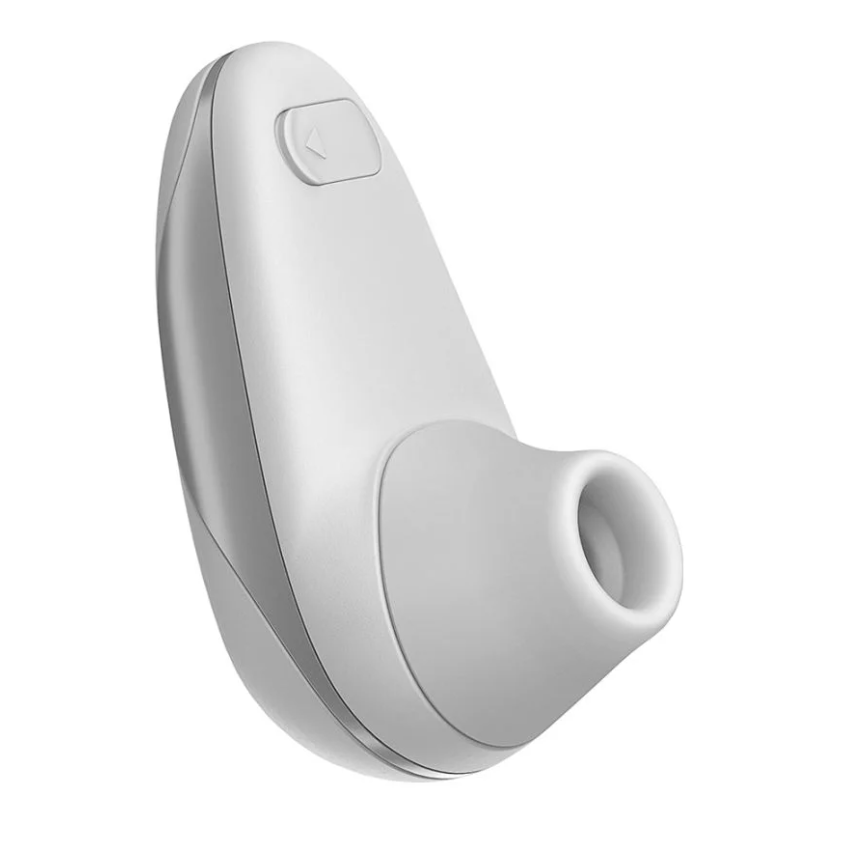
Womanizer Starlet Snow
Compact, affordable air-pulse suction, just the right size to hold on her clit while your hands work
Code ANNETTE15 for 15% Off
Click Here to Buy Now
We-Vibe Rave 2
This curved G-spot vibrator takes over the internal work if your hand fatigues. Think of it as your sexy assistant!
Code ANNETTE15 for 15% Off
Click Here to Buy Now
Move 4: She Says “I Feel Like I Have to Pee” — This Moment Changes Everything
This is the most important part of this entire guide.
As the pressure builds, she’s going to feel a strong, urgent sensation that feels almost identical to needing to urinate. She might tense up, try to close her legs, push your hand away, or say it out loud: “I feel like I have to pee.”
That sensation is not what she thinks it is. It’s fluid pressing against her urethra, and it feels like a full bladder because it’s in the same anatomical neighborhood. But it’s not urine, and she’s not about to lose control of her bladder.
Here’s where most partners destroy everything they’ve built. Her instinct is to clench, to squeeze everything shut. She’s done this every time she’s felt this sensation, with every partner she’s ever had, and that clenching is the exact thing preventing the release. The only thing between her and this experience is muscular tension.
So don’t stop. Keep your rhythm and pressure steady. If you stop, everything you built resets to zero.
Then tell her what’s happening, calmly, like you’ve been here before: “That feeling is exactly what’s supposed to happen. You’re not going to pee. I want you to relax into it instead of fighting it.” Those words matter more than your technique right now, because she’s making a split-second decision between clenching and releasing.
What she needs to do is the opposite of pushing. She needs to completely relax her pelvic floor. Not bear down, not force anything out, just stop holding, like unclenching a fist that’s been squeezing for years. (Bearing down actually creates pelvic floor tension, the opposite of what allows the release.) You can tell her: “Don’t push. Just let go. Stop holding and let your body do what it wants to.” Then reassure her one more time: “I’ve got towels. There’s nothing you can do right now that’s going to ruin this. Just relax. Be here with me.”
If she trusts you, if you prepared the space and the conversation happened, this is where all of it pays off. She stops clenching. She releases.
For some women this won’t happen the first time. The instinct to clench has been reinforced for decades, and that’s okay, not failure. She’s the authority on her own body. If she tells you to stop, you stop. There is no timeline.
Move 5: When She Squirts, Don’t Change a Thing
She lets go, the fluid releases, and most partners do one of two things: they get so excited they change everything, or they pull back because they don’t know what just happened. Both ruin the moment, and both ruin the orgasm that was arriving with it.
Change nothing. Same pressure, same rhythm, same angle, same speed. Whatever you were doing the second the release began, that is now your only job. Hold it.
This release often comes at the edge of or during orgasm, with her pelvic floor contracting rhythmically in sync with what you’re providing. Change the input, speed up, press harder, react to the fluid, pull back, and you break the contraction pattern. The orgasm cuts short. The release she spent the whole session building toward gets stolen at the finish. Hold the rhythm, hold the pressure, stay through every contraction. Then keep going. Women don’t have the same refractory period men do, so if stimulation continues through the release, some women climb directly into a second wave, a rolling orgasm stacked on the first. A toy held on her clitoris during and after keeps external stimulation perfectly consistent while your hand continues inside, so the second wave arrives without anyone doing anything different.
When she finally goes still (and you’ll feel it, her body will quiet), slow your contact gradually. Don’t pull out suddenly, she’s hypersensitive and everything is amplified. Slow your motion to nothing, keep your body against hers, and let her come all the way down.
Then tell her that was incredible. For many women, the immediate aftermath is a rush of vulnerability, she just did something she may not have known her body could do, and let go of control in front of someone. Your words in that moment close the loop: this was safe, she’s safe, and what her body did was welcomed. That’s the part most partners skip. Don’t skip it.
Frequently Asked Questions
Is squirting the same as an orgasm?
No. Squirting is a release of fluid during arousal, and it can happen with orgasm, without orgasm, or even involuntarily. Treating the fluid as proof of orgasm is the most common mistake. The goal is her pleasure and release, not the fluid itself.
Is squirting just pee?
No. While the fluid can contain some urine, it’s different: the bladder fills and empties in seconds rather than sitting for hours, so it comes out clear and diluted, and it carries glandular fluid from the Skene’s glands that isn’t found in regular urine. Same exit, completely different event.
Can every woman squirt?
Not necessarily. Research estimates vary widely, roughly 10 to 50 percent of women experience it. Some bodies are wired for it and some aren’t, and that says nothing about her or her partner.
Why does she feel like she has to pee before squirting?
Because the fluid presses against the urethra, which sits in the same area as the bladder. The sensation feels like needing to urinate, but it’s the fluid building for release. The instinct to clench against it is what usually prevents squirting.
How do you make squirting happen?
Combine firm, rhythmic G-spot pressure inside with consistent clitoral stimulation outside, built up gradually, plus complete pelvic floor relaxation at the moment of release. Trust, consent, and a no-pressure setup matter as much as technique.
Does squirting mean I did something right?
Not exactly. It isn’t a performance metric. Some women squirt easily, some never will, and neither reflects skill. Chasing it as a goal usually backfires. Focus on her pleasure and safety instead.
Your Cheat Sheet
- Learn the anatomy. G-spot (front wall, 1 to 2 inches in), Skene’s glands (around the urethra, beneath it), pelvic floor (must relax, not clench).
- Prepare. Conversation first, before the bedroom. Towels, lube, clean hands, no pressure attached. Full arousal before anything goes inside.
- Build the response. Come-hither pressure on the G-spot plus consistent clitoral stimulation at the same time. Start gentle, climb gradually, firmer than standard G-spot play.
- When she says “I feel like I have to pee,” don’t stop. Tell her to relax into it. Don’t push, just let go. Your words matter more than your hands in this moment.
- When it happens, change nothing. Hold rhythm through the release and every contraction. Keep going for the rolling orgasm. Slow down gradually when she’s done. Tell her it was incredible.
The rule that overrides all five: she is the authority on her body, always. If she says stop, you stop. Not every body responds this way, and that’s not failure for either of you.
Tools That Make This Easier
All use code ANNETTE15.
- Womanizer Starlet: compact, affordable air-pulse suction, just the right size. womanizer.com
- We-Vibe Melt: app-controlled clitoral suction. we-vibe.com
- We-Vibe Touch X: vibration that fits between your hand and her body. we-vibe.com
- We-Vibe Rave 2: curved G-spot vibrator for when your hand fatigues or you want to add vibration to the come-hither technique. we-vibe.com
- FirmTech Tech Ring & RingMate: hands-free clitoral vibration during penetration afterward. myfirmtech.com
- Good Clean Love BioNude® Lube and pjur toy cleaner: keep both within arm’s reach. goodcleanlove.com and pjur.com
- Faux Fur Moisture-Proof Throw: protect the bed, couch, or floor and minimize cleanup. Lovehoney.com