

By Annette Benedetti, sex educator, intimacy coach, and host of the Talk Sex with Annette podcast
Learning how to find the G-spot is one of the most common questions I get from clients, men and women alike. And for a lot of women, it comes with a frustrating catch: penetration doesn’t feel like pleasure, it feels like pressure, numbness, or even pain. If that’s you, you’re not broken, and you’re not alone. I lived it for years, and I eventually went from feeling nothing to having full-body, intense orgasms from my G-spot. This is how you get there.
Watch my guide here:
Listen to the episode below. You can also listen on Apple and Spotify podcast.
Table of Contents
Table of Contents
Where Is the G-Spot?
The G-spot, short for Gräfenberg spot, is a small area on the upper front wall of the vagina, the side closest to your belly button, usually about an inch or two in. That “usually” matters, because its exact location varies a lot from body to body, and assuming it’s deeper than it is causes half the problems people run into.
Here’s what’s actually happening under your fingers. Many researchers now believe the G-spot isn’t a separate organ at all, but part of the larger internal clitoral network, the roots of the clitoris extend deep inside the body, and the G-spot area sits close to the urethral sponge, a cushion of erectile tissue that surrounds the urethra. When you’re aroused, that tissue fills with blood and swells, which is why the G-spot can feel raised, spongy, or ridged compared to the smoother wall around it, and why it’s so much easier to find once you’re already turned on. Before arousal, it can be almost impossible to locate. After, it announces itself.
This is also why the old debate about whether the G-spot is “real” misses the point. Whether you call it its own spot or part of the clitoral network, the pleasurable, swelling, responsive area on the front wall is real, and it’s what we’re here to find.
When stimulated well, it can produce intense pleasure, orgasm, and for some women, ejaculation (squirting).
G-Spot Orgasm vs Clitoral Orgasm: What’s the Difference?
Most women are most familiar with clitoral orgasms, the sharper, more focused climax that comes from stimulating the external clitoris. G-spot orgasms tend to feel different: deeper, more internal, more full-body, and for many women more emotionally intense. Where a clitoral orgasm can feel concentrated in one spot, a G-spot orgasm often radiates.
They’re not competitors, and you don’t have to choose. In fact, the most reliable path to a G-spot orgasm usually includes clitoral stimulation at the same time, the clitoral arousal is what wakes the G-spot up and makes it responsive. When you combine the two, many women experience a blended orgasm that’s more powerful than either alone. So think of these as layers of pleasure that build on each other, not an either/or.
Why So Many Women Can’t Find Their G-Spot
Two things get in the way, and understanding them changes everything.
First, women’s pleasure has been badly understudied, and most people have been handed inaccurate information about how the G-spot works. It’s genuinely still an emerging area of research, so if no one ever taught you this properly, that’s not your failing.
Second, and this is the one people don’t talk about: many women carry chronic tension in the pelvic floor that makes penetration feel numb, guarded, or painful. Some educators and somatic practitioners call this “vaginal armoring,” the idea that the body braces and holds tension in response to difficult experiences, from childbirth to sexual shaming to unpleasant or painful sex. I’ve experienced this myself, and gently working through that guarding was what finally let me access pleasure I couldn’t feel before.
One important note: vaginal armoring is a concept from somatic and coaching practice, not an established medical diagnosis, and pain or numbness with penetration can also have real physical causes like vaginismus, infection, or hormonal changes. If penetration consistently hurts, please see a doctor or a pelvic floor physical therapist. This guide is about exploration and pleasure, not a substitute for medical care.
How to Release the Tension That Blocks G-Spot Pleasure
If penetration feels numb or guarded, forcing it harder is the worst thing you can do. The body armors as protection, and pushing against that just deepens the guarding. The way through is the opposite: safety, slowness, and patience. Here’s what actually helped me, and what I walk clients through.
Breathe into it. Shallow, held breath is your body bracing. Slow, deep belly breaths signal your nervous system that it’s safe to soften. Breathe deliberately the whole time you explore, especially as you approach any area that feels tense or numb.
Go slower than feels necessary. Rushing is what taught your body to guard in the first place. Rest a finger just inside with no movement and no agenda, and simply breathe, letting the tissue relax around it before you do anything else.
Separate exploration from orgasm. As long as the goal is climax, the pressure that causes armoring is still in the room. Give yourself sessions where finding the spot, or just feeling more sensation than before, is the entire win.
Let it take as long as it takes. For me this was a practice over months, not a single night. Numb areas can slowly regain sensation as they learn they’re safe, but that trust rebuilds gradually.
And to say it clearly again: if pain with penetration is persistent, this is where a pelvic floor physical therapist genuinely changes lives. They specialize in exactly this kind of tension, and there is no shame in getting expert help. Somatic exploration and medical care aren’t opposites, they work beautifully together.
Step 1: Set the Intention (and Drop the Pressure)
If this is a partnered exploration, she has to genuinely want it, not do it for your ego or because she feels pressured. Pressure is the enemy here. And the single most important rule: the goal is NOT orgasm. Making orgasm the target reintroduces exactly the pressure that causes guarding in the first place. You’re just trying to find the G-spot, patiently, playfully, with no finish line. If you’re exploring solo, have that same conversation with yourself. Choose the journey, and release the expectation.
Step 2: Set the Mood
Create a space that feels genuinely sexy and safe: soft materials, pillows, mood lighting, candles, scent if that moves you. Have everything you need within reach, lube included. This isn’t a five-minute thing, so give it room.
Step 3: Agree on How You’ll Communicate
To find her G-spot, she needs to stay in her body, and nothing pulls a woman out of her body faster than a question that makes her think. So set up yes-or-no communication ahead of time. “Does that feel good?” Yes. “Faster?” Yes. Not “how does that feel?”, which forces a paragraph and kills the mood. If she’d rather not talk at all (many women don’t want to hear their own voice mid-exploration), agree on hand signals: thumbs up for good or faster, flat hand for slow down or stop.
Step 4: Arousal First, Always
Do not head straight for the vaginal opening. Arousal is what makes the G-spot findable, when a woman is turned on, it engorges and becomes far easier to feel. Start with everything that warms her up: kissing, touching, caressing, whatever gets her going. Then wake up the clitoris, because clitoral arousal is the doorway to G-spot access. Use hands, a toy, or oral. For the full menu of clitoral technique, see my guide to 20 Ways to Touch a Clit
Step 5: How to Find the G-Spot, Step by Step
Once she’s genuinely aroused and gives you the go-ahead:
Prep your hands. Clean, short nails, smooth skin, no rough edges. If you hurt her, it’s game over.
Keep the clit engaged. Have her take over clitoral stimulation, or use a hands-free toy, so the hand going inside can focus entirely on exploring.
Start outside. With plenty of lube, massage around the vaginal opening first. Don’t go in yet. Let her body warm up to being entered.
Enter shallow, palm up. When she’s ready, insert your index or middle finger, palm up toward her belly button, just to the first knuckle. That shallow. Here’s why: most people assume the G-spot is 1-2 inches deep and shoot right past it, jabbing the vaginal wall beyond it (which hurts). Mine is right inside the opening. Start shallow so you don’t miss it, and so she can warm up to penetration.
Massage, don’t hook. Forget the aggressive “come hither” hook, it’s overhyped and it hurts. Just rest your finger there and massage the front wall: slow small circles, a gentle in-and-out, find a rhythm. Pull out gently now and then, drag up to the clit, come back. Build a pattern she likes. There’s no universal magic motion, this is trial and error with constant yes/no feedback.
Deepen slowly, with permission. Progress how deep and fast you go only as she wants it. Once you’re at that first knuckle or a little beyond, you can add a gentle come-hither with light pressure, never a hard hook. Increase pressure only if she wants it.
How Do You Know When You’ve Found The G-Spot?
It may be gradual, not a fireworks moment. Signs to watch for: the area puffs up or swells slightly (you have to be tuned in), and she may get wetter, though don’t rely on wetness as proof, she’ll need to tell you.
If you’re exploring your own body, the sign I always describe is a “spicy” feeling, a warm, hot, not-painful sensation that made me go “oh, what is that?” the first time. When you feel that heat, keep going. If it feels uncomfortable or uncertain at first, stop, and come back to it another time to ease in slowly.
Can the G-Spot Make You Squirt?
For some women, G-spot stimulation can lead to squirting, also called female ejaculation, a release of fluid at the peak of arousal. It doesn’t happen for everyone, and not squirting doesn’t mean you’re doing anything wrong. If it does happen, it’s most likely once the G-spot is well aroused and you’re building toward orgasm, often with clitoral stimulation going at the same time. The best approach is the same as everything else here: stay relaxed, keep the pressure off, and treat it as something that may happen rather than a goal to chase. Chasing it just brings back the performance pressure that shuts pleasure down.
Give It Time: This Is a Journey
Real talk: you may not find it the first time, and that’s completely okay. For some people this takes days, for others months or years. It took me years to get where I am, and I’m still discovering more. Go in with patience, curiosity, and zero goal-orientation. The exploration itself is the pleasure, and for me, finding my G-spot built a deeper, more trusting relationship with my own body. That’s the real prize, orgasm is a bonus.
And if she asks you to stop, honor it in a way that leaves her feeling zero embarrassment or judgment. Celebrate how far you got. This is an adventure, treat it like one.
Positions That Help During Partnered Sex
Once you can find the G-spot with your hands, penetrative sex can reach it too, the key is any angle that lets the penis or a toy press against that front vaginal wall. Positions where she’s on her back with hips lifted, or on top so she controls the angle and depth, tend to target it best. The same rule that governs everything else here still applies: keep the clitoris involved, and let arousal build first.
The Best Toys for G-Spot Exploration
Toys make this easier, especially for keeping the clit engaged while your hand explores, or for adding G-spot sensation solo.
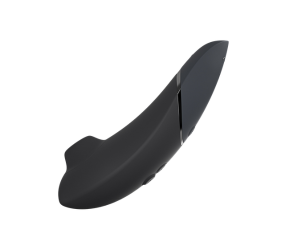
Womanizer Next— Best for hands-free clitoral stimulation
My go-to for keeping clitoral arousal going while your other hand explores. Its Pleasure Air suction sits over the clit and delivers stimulation without you having to move it, so she can hold it herself and stay in her body while you focus on finding the G-spot. Read my full Womanizer Next review.
(code ANNETTE15)
Womanizer.com

Womanizer Blend— Best dual clit-and-G-spot toy
This dual-stimulator has been key to my own G-spot discovery. It pairs Pleasure Air clitoral suction with a vibrating internal arm that reaches right to where the G-spot lives, so the clitoral arousal makes the G-spot wake up and get spicy. A powerful tool for finding it and for the orgasms that follow. Read my full Blend review.
(code ANNETTE15)
Womanizer.com
Keep Learning
Read, Watch, & Listen To 20 Ways to Touch a Clit
Read Watch, & Listen To How to Find the A-Spot
Read Watch & Listen to How To Give a Yoni Massage
Frequently Asked Questions
Where exactly is the G-spot?
On the upper front wall of the vagina, toward the belly button, usually about one to two inches in, but often shallower. Its exact location varies from body to body, so start shallow and explore rather than assuming it’s deep.
Why does penetration feel numb or painful when trying to find the G-spot?
Chronic pelvic-floor tension, sometimes called vaginal armoring by somatic practitioners, can cause guarding, numbness, or pain. Arousal, patience, and releasing pressure help. If penetration consistently hurts, see a doctor or pelvic floor physical therapist, as there can be medical causes.
How do you stimulate the G-spot?
Get fully aroused first, keep the clitoris engaged, then insert a finger palm-up toward the belly button, starting shallow. Massage the front wall with slow circles or a gentle in-and-out rhythm rather than a hard “come hither” hook. Communicate constantly and deepen only with permission.
What does a G-spot orgasm feel like?
Many women describe it as deeper and more full-body than a clitoral orgasm, often with a warm, “spicy” sensation as it builds. For some it also involves ejaculation. It frequently works best combined with clitoral stimulation.
Can the G-spot make you squirt?
For some women, yes. G-spot stimulation is the most common trigger for squirting (female ejaculation), usually as arousal peaks and often alongside clitoral stimulation. It doesn’t happen for everyone, and it’s not a measure of success, so enjoy it if it happens rather than making it the goal.
How long does it take to find your G-spot?
It varies enormously. Some people feel it the first session, others take weeks, months, or longer, especially if pelvic tension is involved. Go in patient and curious, and treat the exploration itself as the reward rather than chasing orgasm.
Do you need a toy to find your G-spot?
No, your fingers are the best exploratory tool. But a hands-free clitoral toy makes it easier to keep arousal up while you explore, and a dual-stimulation toy can help you locate and wake up the G-spot solo.